Xuan Wu Quan: My Journey Teaching the Dark Warrior’s Form
I still remember the first time I performed Xuan Wu Quan in its entirety. It was dawn on Wudang Mountain, and as I moved through the final sequences—the tortoise’s stability merging with the serpent’s fluidity—something clicked deep within my practice. That moment, when the form stopped being a collection of movements and became a conversation between myself and the ancient energies it embodies, changed everything for me.
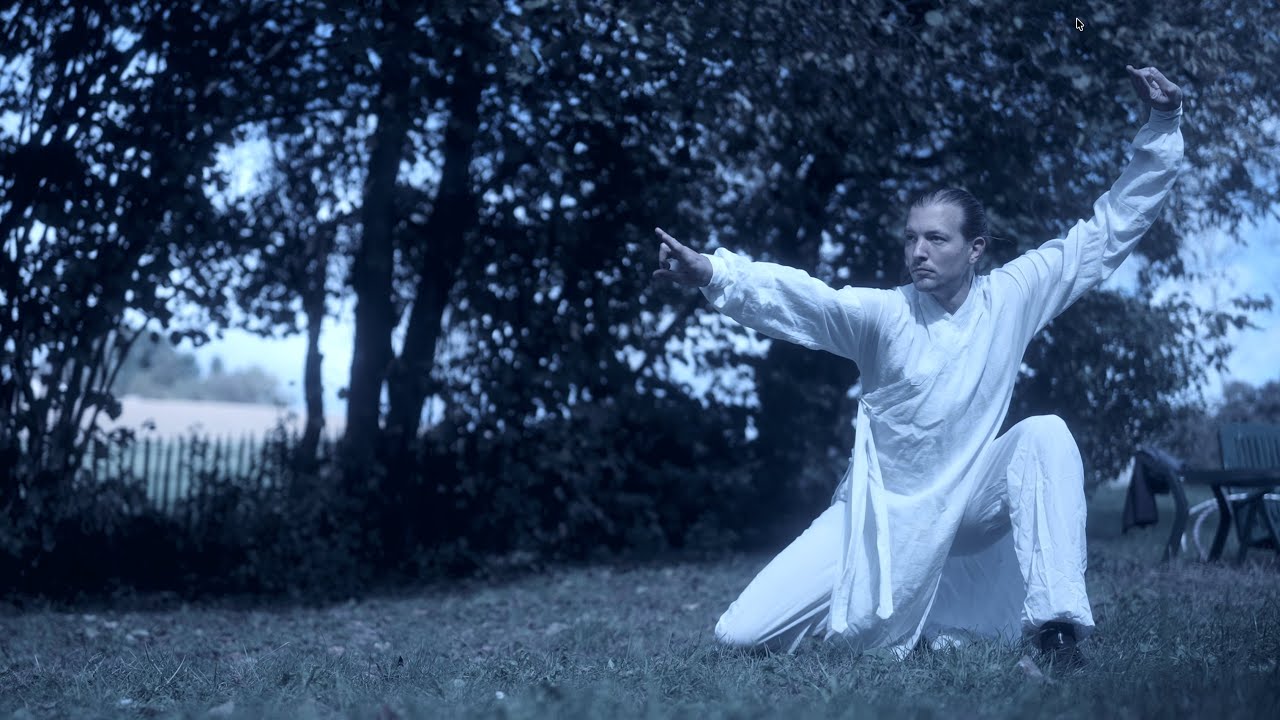
Today, I’m thrilled to share that journey with all of you through a comprehensive video tutorial series on Xuan Wu Quan (玄武拳), also known as Liang Yi Quan (两仪拳)—the Two Extremes Form. This is one of the treasures I’ve been fortunate enough to preserve from the Wudang Sanfengpai lineage, and after years of requests, I’ve finally created a complete teaching series that breaks down all movements.
What Makes This Form Special
You know, when people ask me which internal form they should learn after mastering the basics, I almost always point them toward Xuan Wu Quan. Why? Because this form is like a bridge—it connects the gentler, more meditative qualities of Taijiquan with the direct, penetrating power of Xingyiquan. It’s named after Xuan Wu himself, the Dark Warrior deity who appears as a tortoise with a serpent coiled around it, and that imagery tells you everything you need to know: stability combined with adaptability, defense unified with swift counterattack.
The alternate name, Liang Yi Quan, refers to yin and yang—the two fundamental forces that generate all existence. As you practice this form, you’ll feel yourself embodying these polarities. One moment you’re moving “as quick as lightning and as loud as thunder,” the next you’re using perfect stillness to neutralize an opponent’s aggression. This constant dance between opposites is what makes the form so transformative.
What’s your current experience with Wudang internal martial arts?
- Complete beginner, just starting to explore
- I practice Taijiquan regularly
- I’ve studied other Wudang forms
- I’m familiar with Xingyi or Bagua
- I’ve practiced Xuan Wu Quan before
The Video Tutorial Series: What to Expect
I’ve structured this teaching series to work for practitioners at different levels, but I’ll be honest with you—this is an advanced form. If you’re brand new to internal arts, I’d recommend starting with foundational practices first. That said, even watching these tutorials can deepen your understanding of internal martial principles, so don’t feel discouraged if you’re still building your foundation.
How do you prefer to learn martial arts forms?
- Step-by-step breakdown of each movement
- Full demonstrations first, then details
- Understanding the philosophy before the techniques
- Focus on practical applications
- Combination of all approaches
My Personal Practice Journey
Let me share something that might encourage you. When I first started learning Xuan Wu Quan, I was terrible at it. I mean truly awful. I’d been practicing Taijiquan for years and thought I understood internal principles, but this form humbled me completely. The speed changes threw off my balance, the low stances made my legs scream, and I couldn’t coordinate the breath with the movements to save my life.
My teacher at the time—a stern but compassionate master who had studied directly under the Wudang lineage holders—watched me struggle for months. One day, after a particularly frustrating session where I fell during “Dark Dragon Swings Tail” for the tenth time, he pulled me aside.
“Why are you fighting the form?” he asked.
“I’m not fighting it,” I protested. “I’m trying to do it correctly!”
He smiled—not unkindly, but with that knowing look teachers get when they see you’re about to learn something important. “Exactly. You’re trying to force your body to match some perfect image in your mind. But Xuan Wu Quan isn’t about perfection. It’s about transformation. The tortoise doesn’t become a snake; they exist together as one being. Stop trying to be what you think a practitioner should look like, and just… be.”
That conversation changed my entire approach. I stopped worrying about getting it “right” and started exploring what each movement felt like in my body. When I stopped forcing, the form began to flow. My stances deepened naturally as my legs strengthened. My breath synchronized without conscious effort as I relaxed into the movements. And that falling problem? It disappeared once I stopped being so rigid in my pursuit of technical perfection.
The Philosophy That Moves Through You
Here’s what I love most about Xuan Wu Quan: it’s not just a martial form, it’s a moving meditation on Daoist principles. Every time you practice, you’re embodying ancient wisdom about how the universe works.
Take the concept of “Tortoise and Snake in Union.” On the surface, it’s just a low stance with serpentine hand movements. But symbolically, it represents the integration of opposites—stability and flexibility, defense and attack, earth and water, stillness and motion. When you sink into that stance and let your hands flow, you’re not just training for combat; you’re teaching your nervous system what it feels like to hold contradictions without tension.
Or consider “Cloud Hands” (云手). Technically, it’s a transitional movement where the arms move in flowing circles while the body turns. But philosophically, it’s teaching you about the nature of change itself. The clouds shift constantly, never holding a fixed form, yet they’re always present, always serving their purpose. When you practice this movement with genuine presence, you’re training yourself to stay centered even when everything around you is changing.
This is why I emphasize in the video series that you should never practice Xuan Wu Quan mindlessly, just going through the motions. Each movement is an opportunity to understand something profound about how energy moves, how force can be neutralized, how apparent weakness contains hidden strength.
Training Principles I Live By
After decades of practice and teaching, I’ve developed some core principles that guide my approach to Xuan Wu Quan:
Softness precedes hardness. When students first learn a movement like “Fierce Tiger Descends the Mountain,” they want to pour all their muscular force into it. But real power in internal arts comes from relaxation and proper structure. I always tell them: “First learn to be soft as water, then you can be hard as ice.”
The mind leads, the body follows. Before you move, know where you’re going and why. The Chinese term is “Yi” (意)—intent or intention. Every movement in Xuan Wu Quan should originate from clear intent, not just physical momentum. In the videos, I demonstrate how to cultivate this quality of intentional movement.
Root before reaching. You cannot extend effectively if you have no foundation. I see so many practitioners losing their power because they’re reaching too far from an unstable base. The form teaches this naturally—you sink into your stance before you strike, you gather before you release.
Breath is the bridge. Your breath connects your internal state to your external movement. When they’re synchronized, you access a deeper level of power. When they’re disconnected, even perfect technique feels hollow. I demonstrate specific breathing patterns for different sections of the form in Episodes 3, 7, and 12.
Practice builds the container, life fills it. You can learn the movements in a few months. You can refine them over a few years. But understanding what they mean—really grasping the wisdom they contain—that’s the work of a lifetime. And that’s what makes this path so rich.
Common Challenges and How to Overcome Them
In my years of teaching Xuan Wu Quan, I’ve seen students face similar obstacles. Let me share the most common ones and how I help people work through them:
Challenge 1: Leg strength and endurance
The stances in this form are demanding. “Golden Tortoise Explores the Path” requires you to stay low for extended periods, and transitions often involve shifting weight while maintaining height. My advice? Don’t rush. Build your foundation slowly. Better to practice fewer repetitions with proper depth than many repetitions with compromised structure. In Episode 4, I share supplementary stance training exercises that helped me tremendously.
Challenge 2: Coordination of upper and lower body
Many movements require simultaneous actions—your hands are doing one thing while your feet do another, and everything needs to connect through your center. This took me forever to grasp. The breakthrough came when I stopped thinking of my body as separate parts and started feeling it as one unified field of movement. Episode 9 specifically addresses this challenge with detailed demonstrations.
Challenge 3: Speed variation
The form alternates between explosive bursts and flowing transitions, sometimes within the same sequence. Students often either rush through the slow parts or hesitate on the fast ones. The solution is understanding that the speed changes serve specific energetic purposes. Slow movements cultivate and circulate Qi; fast movements express it. Once you understand this, the variations feel natural rather than arbitrary.
Challenge 4: Remembering the sequence
With 53 movements, memorization can be daunting. I always emphasize understanding over memorization. When you grasp the logic of how one movement flows into the next—how “White Crane Spreads Wings” naturally transitions to “Cross Hands”—the sequence remembers itself. I’ve organized the video series to highlight these natural progressions.
What aspects of Xuan Wu Quan interest you most?
- Health and longevity benefits
- Meditation and internal energy cultivation
- Practical self-defense applications
- Understanding Daoist philosophy
- Physical fitness and conditioning
- The artistic and aesthetic qualities
- Spiritual development
Beginning Your Practice
If you’re feeling called to learn Xuan Wu Quan, here’s my advice for getting started with the video series:
Start at the beginning. I know it’s tempting to skip ahead to the cool-looking movements, but the foundational episodes contain principles that inform everything else. Give yourself time with the basics.
Practice daily, even if briefly. Twenty minutes of focused practice every day beats a three-hour session once a week. The form needs to become part of your body’s vocabulary, and that happens through consistent repetition.
Don’t practice in isolation. Join the community discussions here in the forum. Share your experiences, ask questions, post videos of your practice for feedback. We’re all learning together.
Respect your body’s limits. If a stance is too low or a movement too demanding for where you are currently, modify it. The form should challenge you, not injure you. As you grow stronger and more flexible, you can deepen your practice.
Keep a practice journal. Write about what you notice, what confuses you, what insights arise. Looking back at these notes months or years later will show you how far you’ve traveled.
Remember why you started. There will be days when practice feels like a chore. On those days, reconnect with whatever drew you to internal arts in the first place—whether it was health, self-defense, spiritual growth, or just fascination with the beauty of the movements.
Drop your questions in the comments below. Share what draws you to Xuan Wu Quan. Let me know what you discover as you begin your practice. This is a journey we take together, and I’m honored to be your guide.
May your practice be deep, your progress steady, and your insights profound.
Master Ziji (The Neidan Master)
Episode 1
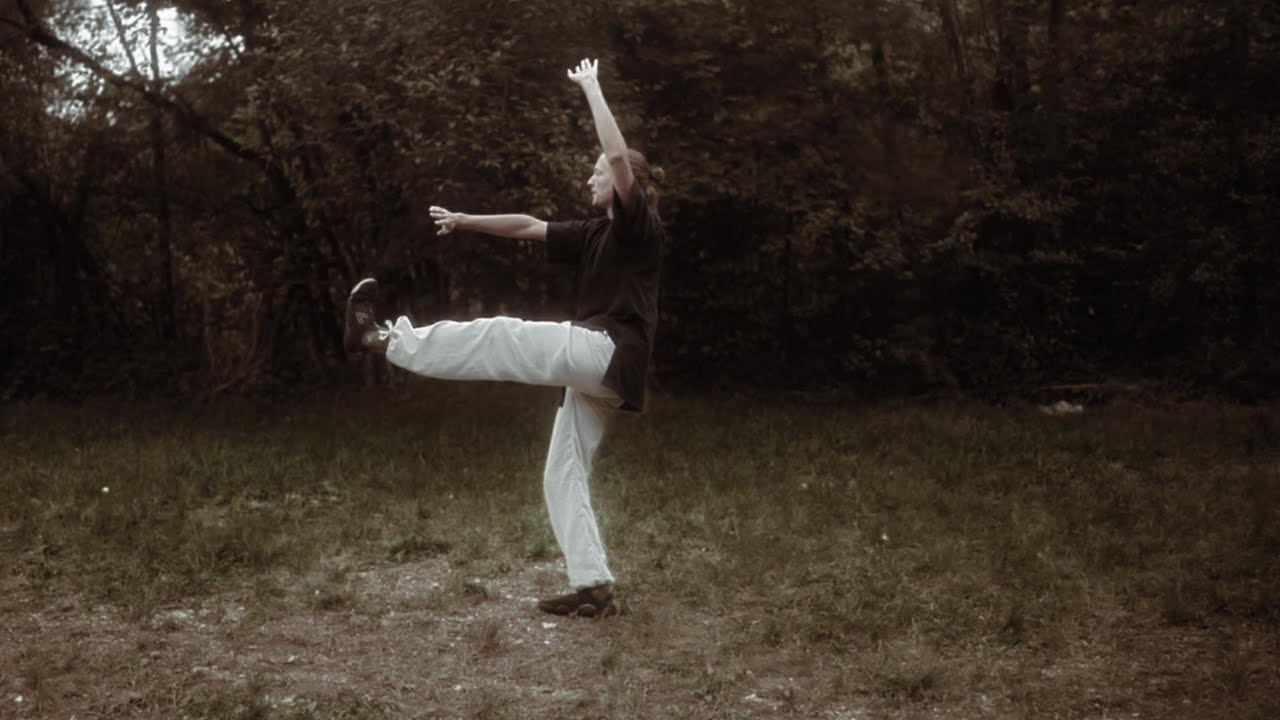
Episode 2
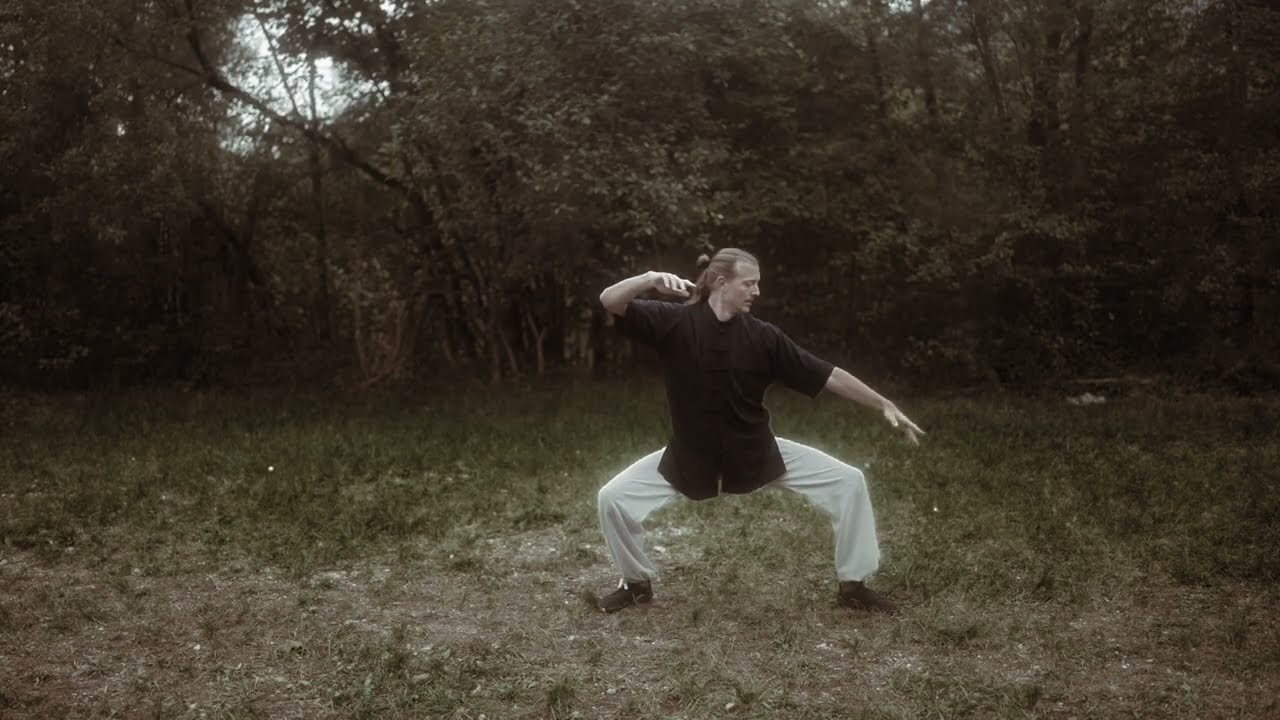
Episode 3
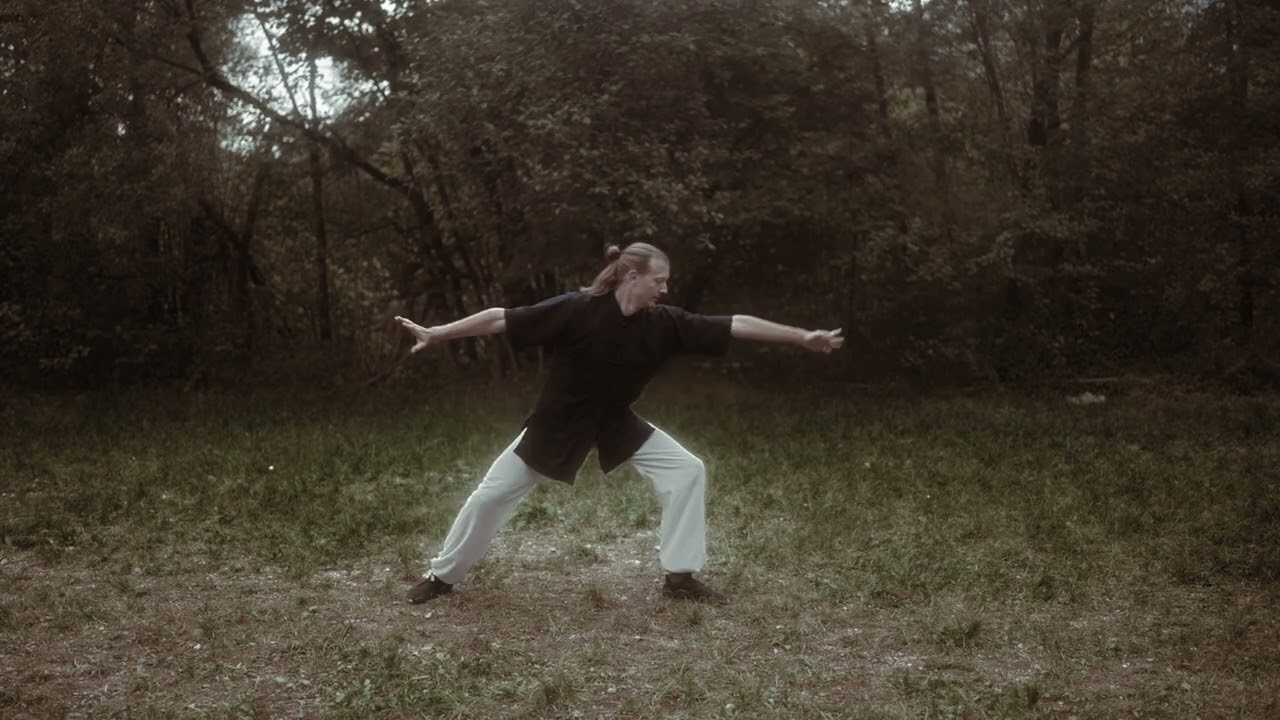
Episode 4
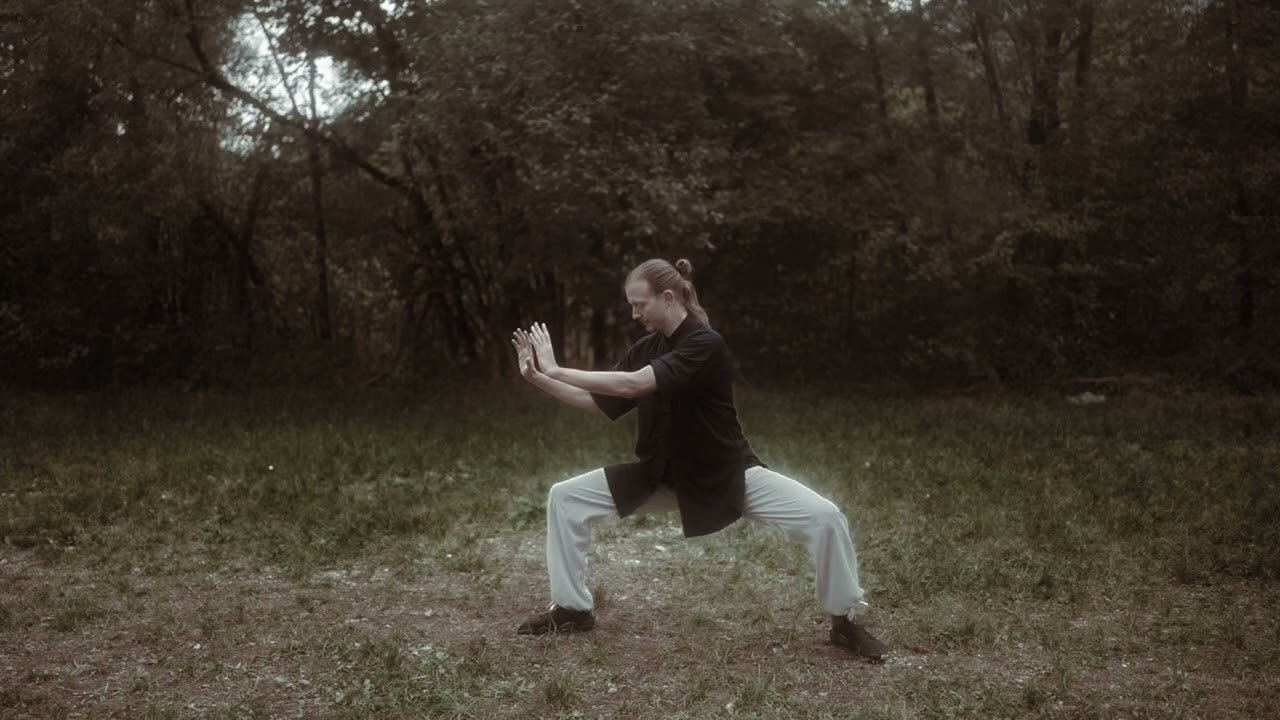
Episode 5
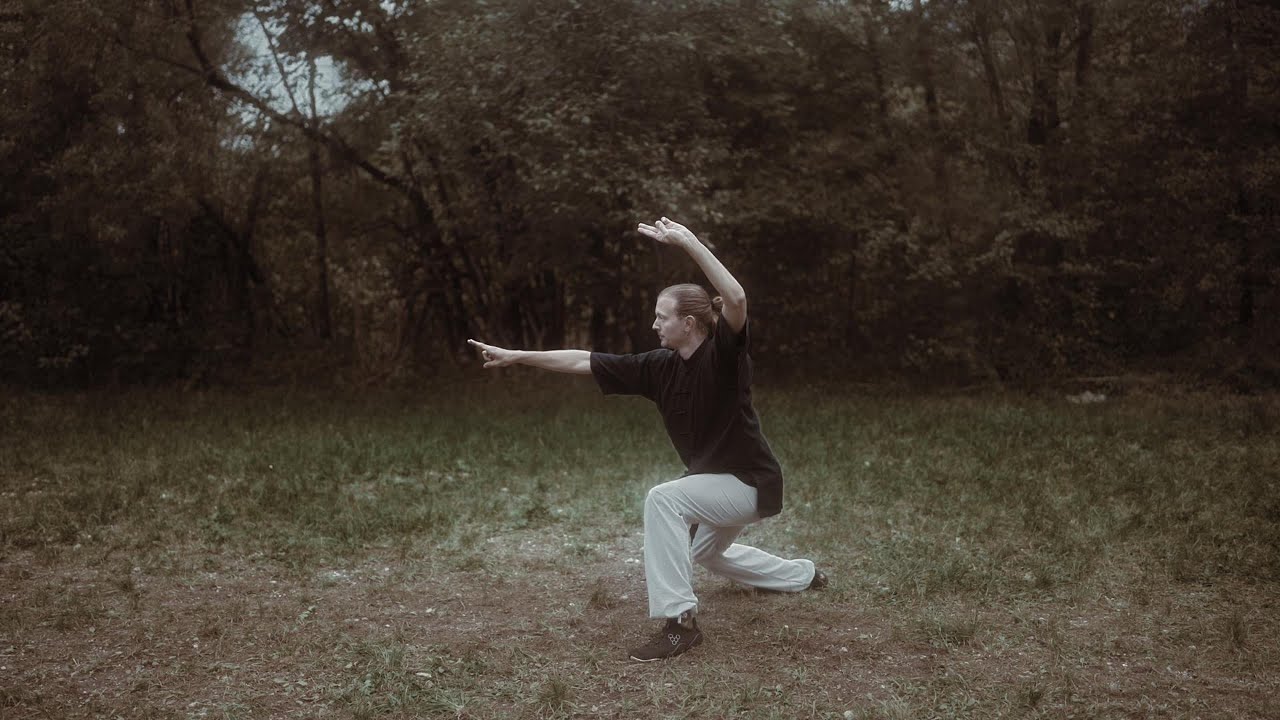
This series is ongoing… check back later 

