Introduction to Tàiyǐ Wǔxíng Quán (太乙五行拳)
Taiyi Wuxing Quan, or “Supreme Ultimate Five Element Fist” (太乙五行拳, Tàiyǐ Wǔxíng Quán), represents one of the most profound internal martial arts systems within the Wudang (武当, Wǔdāng) tradition. Comprising 25 distinct groups and a total of 81 movements, this elegant and powerful martial art form embodies the deep philosophical principles of Traditional Chinese cosmology, medicine, and martial strategy.
Unlike external martial arts that emphasize physical strength and explosive power, Taiyi Wuxing Quan cultivates internal energy (气, qì) through measured, circular movements performed with deliberate slowness, creating a practice that is simultaneously meditative and martial. The form is described as being “filled with charm and magic” (充满魅力和神奇, chōngmǎn mèilì hé shénqí), reflecting its ability to captivate practitioners and observers alike with its fluid, dance-like qualities while concealing profound martial applications.

Historical Origins and Development
The Founding Master
Taiyi Wuxing Quan was founded by Master Shouxing (寿星, Shòuxīng), a distinguished practitioner of the Longmen School (龙门派, Lóngmén Pài) within Wudang Daoism during the Ming Dynasty (1368-1644). The Longmen School, or “Dragon Gate Sect,” represents one of the most important lineages of Wudang martial arts, known for its emphasis on internal cultivation and the harmonization of body and spirit.
Historical Influences
This martial art system draws significant inspiration from the Five-Animal Form (五禽戏, Wǔ Qín Xì) created by Hua Tuo (华佗, Huà Tuó), a legendary physician from the Eastern Han Dynasty (25-220 CE). Hua Tuo observed the movements of the tiger, deer, bear, ape, and bird, creating exercises that mimicked these creatures to promote health and longevity. These animal-inspired movements were later incorporated into Taiyi Wuxing Quan, enriching its expressive vocabulary and therapeutic benefits.
Relationship to Wudang Taiji
The main contents of the Taiyi School (太乙派, Tàiyǐ Pài) bear notable similarities to Wudang Taiji (武当太极, Wǔdāng Tàijí), another prominent internal martial art from the same region. Both systems emphasize circular movement, regulated breathing, and the cultivation of internal energy, though they differ in their specific sequences and theoretical frameworks.
Philosophical Foundations
Yin-Yang Theory
At the heart of Taiyi Wuxing Quan lies the principle of Yin and Yang (阴阳, Yīn Yáng), the complementary opposite forces that govern all natural phenomena. Every movement within the form expresses this duality—advancing and retreating, rising and falling, expanding and contracting—creating a continuous flow of energy that embodies the dynamic balance of these primordial forces.
The Five Elements
As indicated by its name, Taiyi Wuxing Quan is structured around the Five Elements theory (五行, Wǔxíng): Wood (木, mù), Fire (火, huǒ), Earth (土, tǔ), Metal (金, jīn), and Water (水, shuǐ). Each element corresponds to specific qualities, directions, seasons, internal organs, and emotional states. The 25 groups of movements in the form systematically work through these elemental relationships, creating both a martial system and a method of health cultivation that balances these fundamental energetic qualities within the practitioner.
Practice Principles
Internal Over External
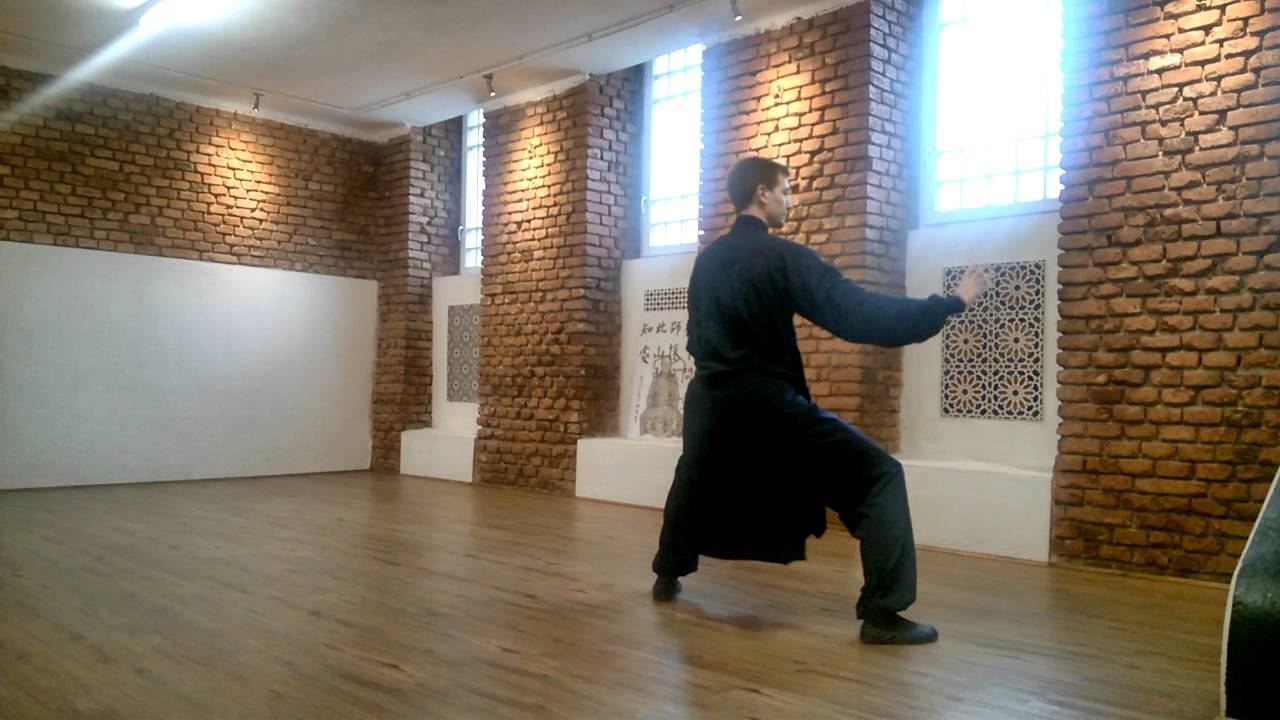
When practicing Taiyi Wuxing Quan, internal cultivation (内功, nèigōng) takes precedence over physical strength (外力, wàilì). Practitioners focus on developing and directing qi through the meridian system rather than building muscular power. This approach allows practitioners to continue developing skill and power well into advanced age, making it an ideal lifelong practice.
Movement Characteristics
The body moves with circular motion (环形运动, huánxíng yùndòng), creating spiraling pathways that efficiently generate and transmit power while protecting the joints. All movements are performed slowly (缓慢, huǎnmàn), smoothly (平滑, pínghuá), and naturally (自然, zìrán), allowing the practitioner to maintain constant awareness of their center of gravity and energy flow.
Breath Regulation
Regulated breathing (调息, tiáoxī) forms a critical component of practice. The breath is coordinated with movement, typically inhaling during expanding or rising movements and exhaling during contracting or sinking movements. This coordination helps to develop what is known as “whole-body breathing” (全身呼吸, quánshēn hūxī), where each inhalation and exhalation engages the entire torso rather than just the chest or abdomen.
Martial Applications
Despite its flowing, gentle appearance, Taiyi Wuxing Quan contains effective techniques for both striking (打, dǎ) and defense (防御, fángyù). The circular movements disguise powerful spiraling forces that can be suddenly expressed in combat situations, while the continuous nature of the form develops the sensitivity needed to respond adaptively to an opponent’s actions.
The 25 Movement Groups
Each of the 25 movement groups in Taiyi Wuxing Quan represents a sequence of techniques unified by a common theme, often inspired by animal movements or natural phenomena. Below is a detailed examination of each group with pinyin pronunciation:
1. Origin of Chi; Reverse Heaven and Earth (Opening)
Qì Zhī Yuántóu; Fǎn Tiān Fù Dì (气之源头; 翻天覆地)
This opening sequence establishes the fundamental connection between heaven and earth, positioning the practitioner as the conduit between these cosmic forces. The movements initiate the circulation of qi from its primordial source, setting the energetic foundation for the entire form.
2. White Ape Comes out of its Cave; Two Peaks Bow to the Sun
Bái Yuán Chū Dòng; Shuāng Fēng Bài Rì (白猿出洞; 双峰拜日)
Drawing inspiration from the agile movements of the white ape, this sequence develops flexibility and precise footwork. The “Two Peaks” metaphor refers to the hands forming mountain-like shapes that rise and fall in homage to the life-giving energy of the sun.
3. Rein in at the Top; Lift the Cloud Under the Sea
Dǐng Shàng Lā Jiāng; Hǎi Dǐ Jǔ Yún (顶上拉缰; 海底举云)
This sequence contrasts upward-pulling energy with movements that gather strength from below, simulating the lifting of clouds from beneath the ocean’s surface. These techniques develop the ability to coordinate upper and lower body movements.
4. Dragon in Confusion; the Thunder Chops the Mountain
Lóng Qián Hùn Zhā; Léi Zhèn Kān Shān (龙潜混扎; 雷震砍山)
Emulating the dragon’s twisting, unpredictable movements followed by the decisive, powerful strike of thunder. This sequence develops fluid evasion tactics combined with sudden, decisive attacks.
5. Rhinoceros Looks at the Moon; Turn Around to Support Heaven
Xī Niú Wàng Yuè; Zhuǎn Shēn Tō Tiān (犀牛望月; 转身托天)
Drawing on the powerful yet contemplative image of the rhinoceros, these movements develop stable stances and the ability to generate power while turning. The “supporting heaven” movement cultivates the ability to project energy upward through aligned structure.
6. Dark Lion Embraces the Ball; Springs from Nian Ting
Xuán Shī Bào Qiú; Niàn Tíng Zhōng Yǒng (玄狮抱球; 念亭中涌)
This sequence mimics the powerful, dignified movements of the lion, developing whole-body coordination through circular “embracing” motions. The “springs from Nian Ting” movement refers to a sudden rising energy that emerges from a centered, collected state.
7. Leopard Raises its Head; Surprising the Whole World
Bào Jǔ Tóu; Zhèn Jiāng Huán (豹举头; 震惊寰)
The lightning-fast reactions of the leopard inspire these techniques, which develop the ability to suddenly redirect energy upward. The “surprising the whole world” movement cultivates explosive power released after a period of gathering.
8. Roc Spreads its Wings; All the Beasts are Panic Stricken
Péng Zhāng Chì; Bǎi Shòu Jīng Huáng (鹏张翅; 百兽惊慌)
Based on the mythical giant bird known as the Roc, these movements develop expansive energy and a commanding presence. The wide, spreading arm movements create an imposing energetic field that dominates the space around the practitioner.
9. Spotted Deer Picks the Herbal Medicine and Lowers its Head To Drink in the Stream
Huā Lù Cǎi Yào Dī Tóu Qù Xī (花鹿采药低头去溪)
This graceful sequence emulates the deer’s gentle, alert movements, developing lightness in stepping and sensitivity to surroundings. The movements alternate between reaching upward (picking herbs) and bending downward (drinking), creating a harmonious balance.
10. Yellow Serpent at the Water’s Mouth Provokes the Great Beasts
Huáng Shé Shuǐ Kǒu Tiǎo Dà Shòu (黄蛇水口挑大兽)
Inspired by the serpent’s sinuous movements, this sequence develops the ability to project energy through a flexible, whip-like body. The techniques emphasize sudden changes of direction and the ability to strike from unexpected angles.
11. Capers Rolls About; Waves Rush to the Heaven
Yuè Yáng Gǔn Dòng; Làng Cháo Tiān (跃羊滚动; 浪朝天)
This dynamic sequence mimics the playful, agile movements of leaping goats or sheep, developing the ability to change levels quickly. The “waves rush to heaven” movement cultivates rising energy that flows from the ground through the entire body.
12. Hawk Searches for the Mountain and Catches the Chickens
Yīng Xún Shān Zhuā Jī (鹰寻山抓鸡)
Drawing on the hawk’s precise hunting tactics, these movements develop focused intent and accurate striking. The sequence includes movements that simulate soaring, searching, and then executing a decisive capture.
13. Eagle Flying in the Air and Dancing
Diāo Téng Kōng Zhōng Wǔ (雕腾空中舞)
This sequence emulates the majestic, soaring movements of the eagle, developing expansive awareness and the ability to maintain balance during extended reaching movements. The “dancing” quality of these techniques cultivates fluid transitions between defensive and offensive postures.
14. Alchemy Overturns the Fire; Golden Monkey Steals the Fruit
Liàn Dān Fān Huǒ; Jīn Hóu Tōu Guǒ (炼丹翻火; 金猴偷果)
This sequence references both Daoist internal alchemy and the playful, clever movements of the monkey. The “overturning fire” movements develop the ability to redirect an opponent’s force, while the “stealing fruit” techniques cultivate quick, precise hand movements.
15. Whale and Crocodile Reach the Moon; The Sea is Calm
Jīng Ě Yuè Cháo Yuè; Hǎi Miàn Píng (鲸鳄跃朝月; 海面平)
Drawing on the powerful aquatic creatures of whale and crocodile, this sequence develops the ability to generate tremendous force from a stable base. The contrast with the “calm sea” develops the ability to return to stillness after explosive movement.
16. Black Bear Turns its Palm and Surprises the Whole Forest
Hēi Xióng Fān Zhǎng Jīng Quán Lín (黑熊翻掌惊全林)
Inspired by the bear’s powerful yet surprisingly agile movements, this sequence develops whole-body power expressed through the palms. The turning movements cultivate the ability to quickly change direction while maintaining structural integrity.
17. Slip out of a Predicament like a Cicada Sleuthing its Skin; Drunkard Lays in the Pond
Tòu Nàn Chán Tuì Jiǎ; Zuì Hàn Tǎng Zhōng Wò (透难蝉蜕甲; 醉汉塘中卧)
This sequence emphasizes evasive techniques, drawing on the image of the cicada’s miraculous emergence from its former shell. The “drunkard” movements develop unpredictable, relaxed body mechanics that can confuse an opponent’s timing.
18. Magpie Perches on the Branch and Stands on the Moss
Què Lì Zhī Liú Tái (鹊立枝留苔)
Drawing on the alert, balanced posture of the magpie, this sequence develops precise footwork and the ability to maintain stability on narrow bases of support. The techniques emphasize careful weight shifts and rooted stances.
19. Dragon Returns to the Sea; Keep Calm in the Inner World
Lóng Guī Hǎi; Nèi Jìng Xiū (龙归海; 内静修)
This sequence returns to the dragon imagery, now emphasizing its return to its natural element—water. The movements develop fluid power and the ability to maintain internal calm regardless of external circumstances.
20. Wild Horse Shakes its Main and its Fear Character Increases
Yě Mǎ Yáo Màn Zēng Wēi Fēng (野马摇鬃增威风)
Inspired by the powerful, free-spirited movements of the wild horse, this sequence develops spiraling energy through the torso and the ability to express force through rhythmic shaking movements that can disrupt an opponent’s structure.
21. Mysterious Monkey Returns to the Cave and Keeps “Tranquil”
Xuán Hóu Guī Dòng Shǒu Jìng (玄猴归洞守静)
Returning to monkey-inspired movements, this sequence now emphasizes the wisdom of knowing when to retreat and conserve energy. The techniques develop the ability to quickly withdraw from engagement while maintaining awareness.
22. Colorful Phoenix is in the Air and all the Birds Sing
Cǎi Fèng Líng Kōng Bǎi Niǎo Míng (彩凤凌空百鸟鸣)
Drawing on the mythical phoenix’s elegant movements, this sequence develops graceful, flowing techniques that can suddenly transform into powerful strikes. The reference to “all birds sing” suggests movements that create harmonious resonance throughout the body.
23. Crouching Tiger lies on the Sacrifice Platform On Guard
Wō Hǔ Tán Shàng Shǒu (卧虎坛上守)
This sequence emulates the tiger’s patient, alert readiness before striking. The movements develop the ability to gather energy in a seemingly relaxed posture that can instantly transform into decisive action.
24. Yuan Shou Ye, who was incorrupt, Created it
Yuán Shòu Yé Qīng Liàn Chuàng (袁守爷清廉创)
This sequence honors the creator of the form, emphasizing the moral qualities of integrity and purity (清廉, qīng lián) that should accompany martial skill. The movements return to fundamental principles, reinforcing the ethical foundation of practice.
25. Combine the Stationary and Motion; Reverse the Heaven and Earth (Closing)
Dòng Jìng Jiān Xiū; Fǎn Tiān Fù Dì (动静兼修; 翻天覆地)
The closing sequence integrates stillness and movement, emphasizing that true mastery lies in the ability to harmonize these opposing qualities. By ending with movements similar to the opening sequence, the form creates a complete cycle that can be continually refined.
Modern Practice and Transmission
Today, Taiyi Wuxing Quan continues to be practiced as both a martial art and a health cultivation system. Its comprehensive approach to developing physical coordination, mental focus, and energetic awareness makes it valuable for practitioners of all ages and physical conditions.
The form is taught through traditional master-disciple relationships as well as in more formal settings such as martial arts schools and cultural centers. Instructional materials, including DVDs, have made this once-secretive practice more accessible to enthusiasts around the world.
Benefits of Practice
Regular practice of Taiyi Wuxing Quan offers numerous benefits:
- Physical Health: The gentle, circular movements improve joint mobility, strengthen connective tissues, and enhance circulation without placing excessive stress on the body.
- Mental Clarity: The meditative quality of practice cultivates focused awareness and emotional equilibrium.
- Energy Development: The systematic approach to qi cultivation helps balance the body’s energetic systems, potentially addressing chronic health issues.
- Martial Skill: Despite its flowing appearance, the form contains effective self-defense applications that emphasize efficiency over brute force.
- Spiritual Growth: The practice embodies Daoist principles of harmony with nature and the cultivation of virtue, offering a path for spiritual development.
Taiyi Wuxing Quan represents a sophisticated integration of martial strategy, health cultivation, and philosophical insight. Through its 25 groups and 81 movements, practitioners engage with a living tradition that connects them to centuries of wisdom regarding the harmonious development of body, mind, and spirit.
https://www.youtube.com/watch?v=2nGIoVeZ8RgAs Master Shouxing’s legacy continues to be transmitted to new generations, this “Supreme Ultimate Five Element Fist” remains a testament to the depth and richness of Wudang internal martial arts, offering both practical benefits and profound insights to those who dedicate themselves to its study.